How fast can emergency tree removal happen?
It depends on the provider, the weather and how many homes need help. Many providers can respond quickly when a tree is on a house. Request a callback to check provider availability.
Tree removal referrals for Phoenix homeowners
Request an estimate and compare quotes
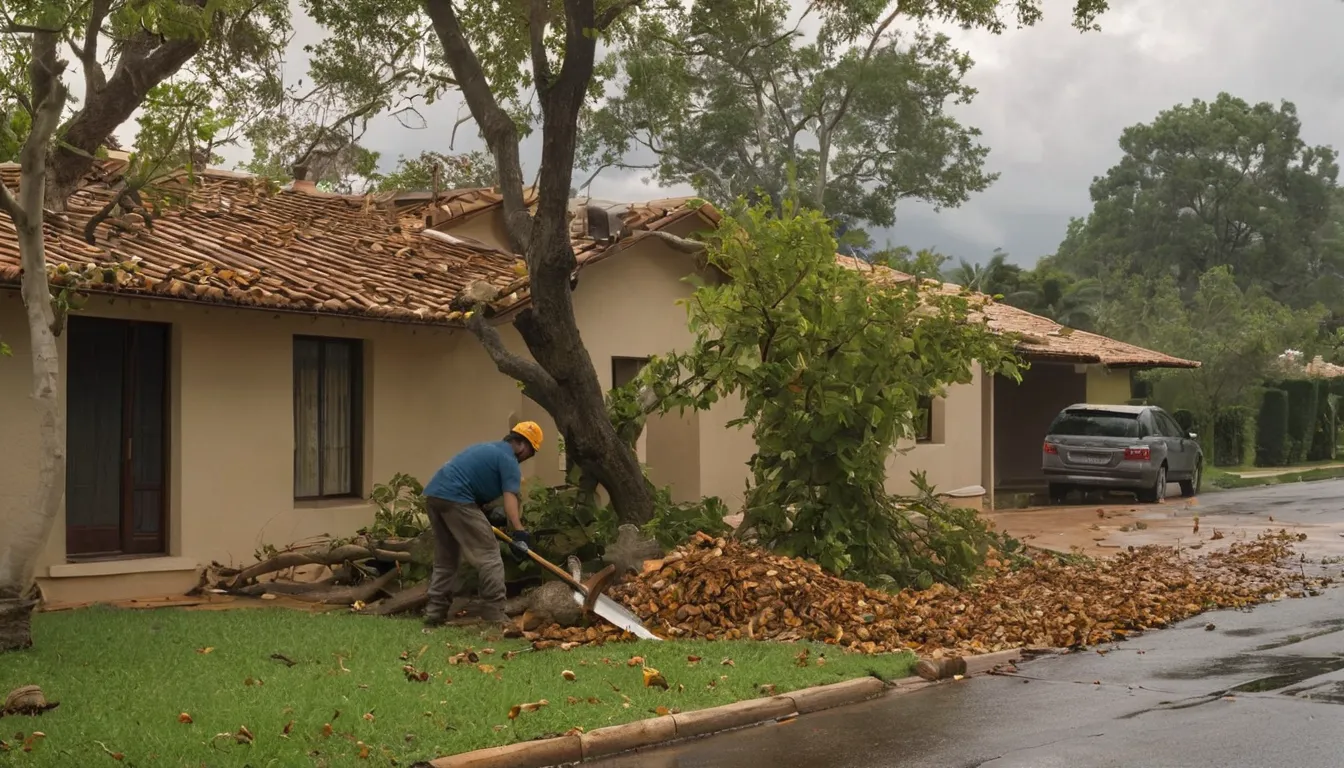
A tree that has come down, split, or started to lean can turn a small problem into a costly one. Roof damage, cracked stucco, blocked driveways and hanging limbs all get worse the longer they sit. This page walks through what the tree does in the first hours and days, so you know when to act.
Pantsmemory Tree Service is a referral service. We do not cut or haul trees. We connect homeowners in Phoenix and the Phoenix area with independent providers in our network who can look at the job and send a written quote. You compare the quotes, ask your questions, and pick the provider that fits your budget and your timeline. There is no pressure and no obligation to hire anyone.
A fallen tree can look still and be dangerous. Stay inside while branches are moving in the wind. Keep kids and pets away from the yard.
Treat every wire as live. That includes cable and phone lines tangled in the branches. Contact your utility about any line that is down or sagging. Never touch a tree that rests on a wire.
In the first hours, the biggest risk is a second failure. A split trunk or a tipped root ball can shift again. Soaked soil after a monsoon burst makes that more likely.
Take photos from a safe distance. Note the date and the time. These help with quotes and with any insurance claim later.
If the tree hit your roof, rain can follow it inside. Tile can crack and slide. Flat roofs can pool water around a puncture. Ask the provider about a temporary cover before the full removal.
Stucco walls and block fences can crack where a heavy limb leaned on them. Do not climb up to check. Let the provider look first.
Many providers can respond quickly, but availability changes with the weather. Request a callback to check provider availability.
Cut wood dries out and shifts. A limb that was resting safely can slip. Trapped water can stain ceilings and soften soil near a slab edge.
A blocked driveway or gate also costs you time. This is when many homeowners start to feel the pressure. Quotes are easier to compare when you ask early and stay calm.
These situations usually call for emergency tree removal:
A dead tree that stands straight and sits far from the house is often not urgent. A normal appointment may cost less than a rush job. Still, ask a provider to look at it. Dead wood can fail without warning.
Storm tree clearance follows a clear order. Knowing it helps you read a quote.
The provider checks how the tree sits, what it touches, and where the weight is. They decide how to cut it safely.
A tree falling service may use ropes, a lift or a crane when the tree rests on a roof. Pieces come down in a set order so nothing drops on the structure.
Logs and brush are cut small and moved out. Ask if hauling and cleanup are in the price. Stump work is a separate step, and stump grinding is usually quoted on its own.
Price the whole job. Tree size, access, and how close the tree is to the house all matter. A tree on a roof costs more than one on open grass. Crane time, extra haul-off and rush scheduling add to the total.
A quote should list what is included. Look for cutting, hauling, cleanup and any roof cover. Two quotes with the same total can cover very different work. Ask each provider to put it in writing.
Some policies may cover sudden damage from a fallen tree. Check your policy for the details and any deductible. Providers can often help document the damage for a claim. Keep your photos, quotes and receipts together.
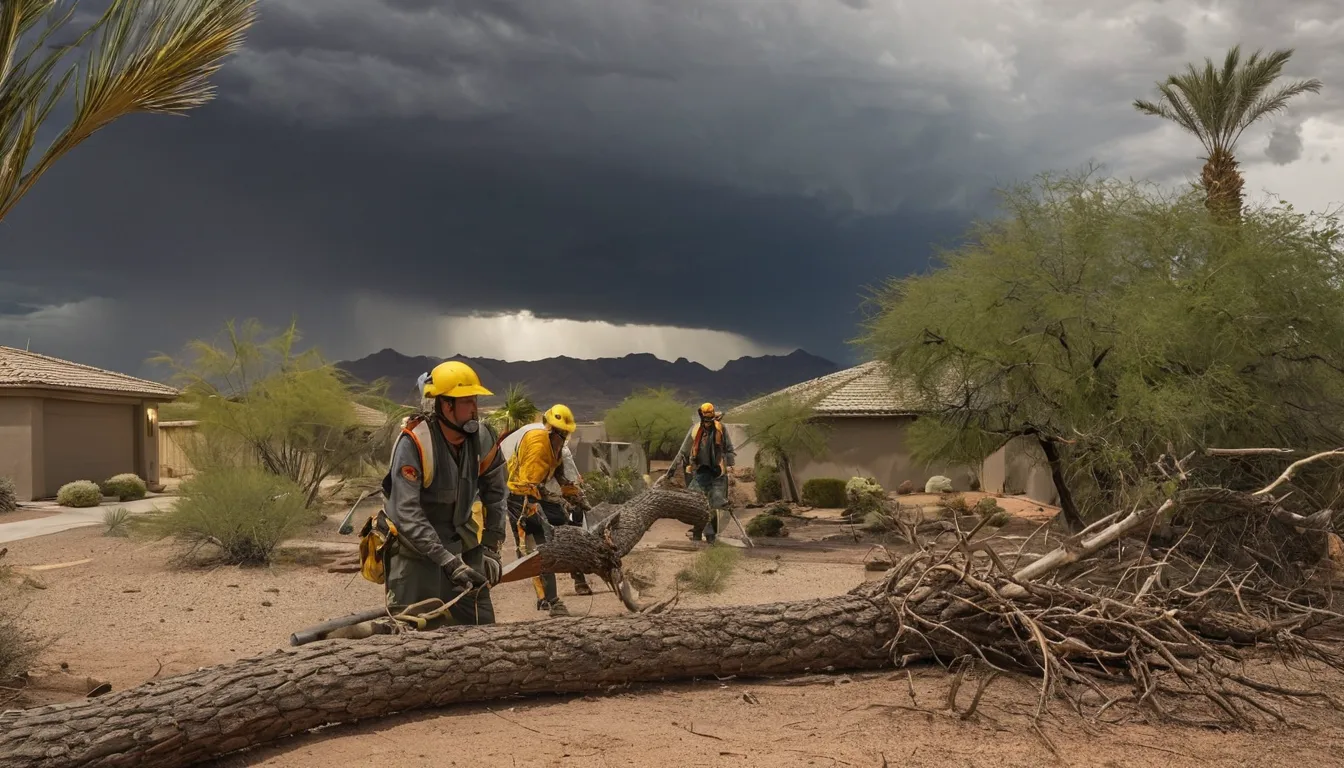
When a monsoon storm hits a whole area, many homes need help at once. Providers get busy and schedules stretch. Expect to be asked about the danger level first. Jobs with a tree on a home are often seen before cleanup of loose limbs.
Prices can rise when demand is high. Compare written quotes before you agree, and be careful with anyone who asks for full payment up front.
Hot, dry summers stress trees. Then sudden heavy rain loosens the soil. That mix can bring down weak trees and heavy limbs. Have trees checked before storm season. Thinning crowded branches and removing dead wood can lower the risk to roofs and fences. In newer subdivisions, young trees may be planted close to walls, so check spacing early.
Want to talk it through? Request a callback to ask about provider availability.
Providers cut and lower trees that have come down on homes, fences, cars and driveways.
Clear broken limbs and trunks after monsoon winds so you can reach your home and yard again.
Remove split or hanging limbs over roofs and walkways before they drop and cause more damage.
Many quotes include hauling logs and brush away. Confirm this in writing before you agree.
Prices vary by tree size, access and risk. These are typical U.S. ranges only. Rush work often costs more, so always get a written quote before work begins.
| Job type | Typical range | Notes |
|---|---|---|
| Small tree down in open yard | $300 – $900 | Easy access keeps the price lower |
| Large tree down, no damage | $800 – $2,500 | Size and haul-off drive the total |
| Tree on roof or house | $1,500 – $5,000+ | Often needs rigging or a crane |
| Crane assistance | $500 – $2,000 | Added when tree is too big to climb |
| Hanging or split limb removal | $250 – $1,000 | Depends on height and nearby structures |
| Rush or storm-surge scheduling | $100 – $800 extra | Varies with demand and conditions |
Stay clear of the tree and any wires. Take photos from a safe distance for your records.
Tell us about the tree, the damage and your timeline using the request form.
Review scope, cleanup and price from providers in our network that fit your job.
Choose a provider, keep receipts and photos, and check your policy for claims.
Providers in our network send written quotes so you can weigh price and scope side by side.
Each provider runs their own business, sets their own prices and does the work.
We explain what drives the price so you can spot gaps between quotes.
Request an estimate, read the quotes, and choose only if one fits.
Request an estimate and a local provider in our network will follow up. Prefer to talk? Request a callback to check provider availability.
No obligationIt depends on the provider, the weather and how many homes need help. Many providers can respond quickly when a tree is on a house. Request a callback to check provider availability.
Typical U.S. costs run from a few hundred dollars for a small fallen tree to several thousand when a tree is on a roof or needs a crane. Get written quotes to compare your exact job.
Some policies may cover sudden damage from a fallen tree, often with a deductible. Rules differ, so check your policy. Providers can often help document the damage with photos and a written description for a claim.
Request an estimate and a local provider in our network will follow up. Prefer to talk? Request a callback to check provider availability.
No obligation